
Fruit and Autism: Can Fruit Help or Worsen Gut Symptoms?

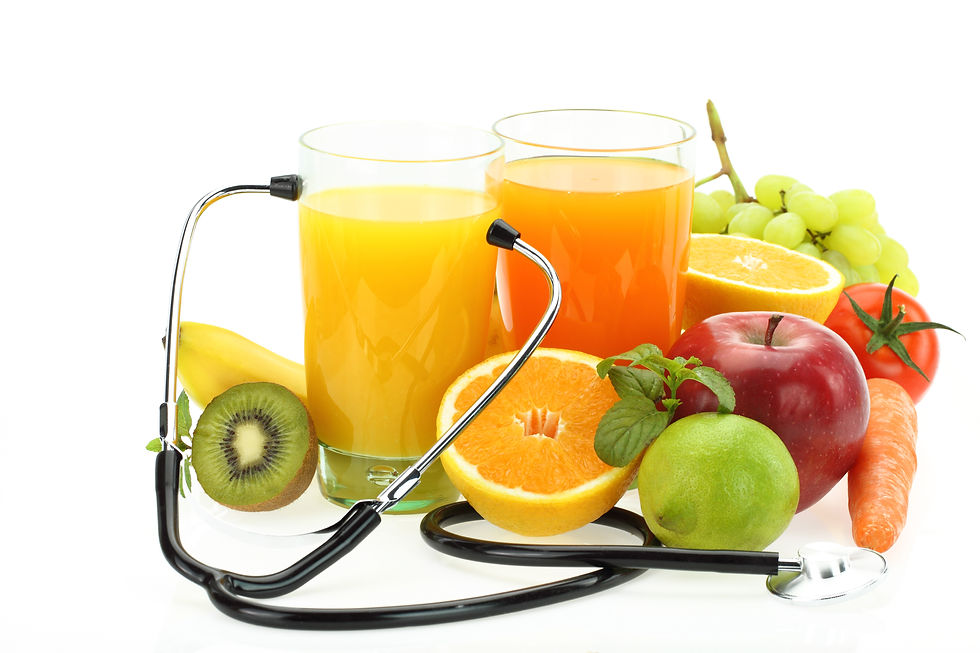
Fruit is often seen as one of the healthiest foods we can eat. It contains vitamins, minerals, fibre, antioxidants, and natural compounds that help support gut health, immunity, and brain development.
But in the autism world, fruit can become surprisingly controversial.
Some parents are told their child should eat more fruit for fibre and nutrients. Others are told fruit sugars may worsen yeast, hyperactivity, gut symptoms, or behavioural dysregulation.
So who is right?
The answer, as with many things in autism, is: it depends on the child.
For some children, fruit can be incredibly beneficial. For others, certain fruits or large amounts of fruit may worsen underlying gut dysfunction and contribute to bloating, diarrhoea, behavioural changes, or excessive fermentation. The important thing is understanding why.
Why Fruit Can Be Helpful in Autism
Many children on the autism spectrum eat very restricted diets. Some survive almost entirely on:
beige carbohydrates
processed snack foods
crackers
bread
nuggets
pasta
As a result, they may become low in many nutrients, including:
fibre
vitamin C
antioxidants
potassium
folate
polyphenols
Fruit can help provide these nutrients in a form many children willingly accept. Fruit also contains important plant compounds that help support:
gut bacteria
immune function
healthy inflammation levels
bowel motility
brain health
In many children, increasing fruit intake can actually improve constipation, hydration, nutrient intake, and microbial diversity.
Fruit Feeds Good Gut Bacteria
This part is often overlooked. Fruit contains fibres and polyphenols that act as fuel for beneficial gut bacteria. Healthy bacteria such as Bifidobacteria and Lactobacillus use these compounds to produce short-chain fatty acids, which help:
feed the cells lining the gut
reduce inflammation
strengthen the gut barrier
support immune function
influence brain signalling
Some fruits appear particularly supportive of beneficial gut bacteria, including:
berries
kiwi fruit
apples
pears
pomegranate
For children with low microbial diversity and constipation, fruit may become an important part of rebuilding a healthier gut environment.
But Fruit Is Still Sugar
This is where things become more complicated. Even though fruit contains beneficial nutrients, it also contains natural sugars including:
fructose
glucose
sucrose
Normally, these sugars are absorbed in the small intestine. But if digestion or absorption is impaired, some sugars continue further into the gut where bacteria ferment them. This fermentation can produce:
gas
bloating
abdominal pain
diarrhoea
altered short-chain fatty acids
inflammatory compounds
In some children, excessive fermentation may even contribute to behavioural changes, irritability, poor sleep, or hyperactivity.
Why Some Children with Autism React Poorly to Fruit
Not every child reacts badly to fruit. But children with significant gut dysfunction sometimes do.
1. Fructose Malabsorption
Some children struggle to absorb fructose efficiently.
When fructose is poorly absorbed, it stays inside the intestine and becomes food for bacteria.
This may lead to:
bloating
diarrhoea
abdominal discomfort
excessive gas
behavioural dysregulation after eating
Children with fructose malabsorption may tolerate some fruits better than others.
2. Small Intestinal Bacterial Overgrowth (SIBO)
Normally, most bacteria live in the large intestine. In SIBO, bacteria overgrow higher up in the small intestine where food is still being digested. These bacteria ferment carbohydrates too early. Fruit sugars may become “fuel” for the overgrowth, worsening:
bloating
reflux
constipation
diarrhoea
distension
discomfort
Some children with autism and severe bloating after fruit may actually have underlying SIBO.
3. Yeast and Fungal Overgrowth
Children with significant yeast overgrowth may react poorly to high sugar intake, including excessive fruit consumption. This does not mean fruit is “bad.” It means the gut ecosystem may already be out of balance. Some signs that yeast overgrowth may be contributing include:
intense sugar cravings
bloating
recurrent thrush
severe dysbiosis
hyperactivity after sugar
alternating bowel habits
4. Histamine Reactions
Some fruits can trigger histamine release in sensitive children. Histamine is a chemical involved in immune responses and inflammation. Children with histamine intolerance may react to:
strawberries
citrus fruits
pineapple
bananas
dried fruit
Possible symptoms may include:
flushing
itching
sleep disruption
hyperactivity
irritability
gut symptoms
5. Pesticides and Chemical Exposure
Another factor worth considering is pesticide exposure. Modern fruits and vegetables may contain residues from pesticides, herbicides, fungicides, and other agricultural chemicals. While regulatory agencies set “safe limits,” growing concerns exist around the cumulative effects of long-term exposure, particularly in developing children.
Some researchers are investigating how certain chemicals influence:
the gut microbiome
mitochondrial function
oxidative stress
detoxification pathways
immune regulation
neurodevelopment
Children with autism may be more vulnerable to environmental exposures because many already experience:
altered detoxification capacity
increased oxidative stress
gut permeability
immune dysregulation
nutritional deficiencies
Some pesticides also affect beneficial gut bacteria directly, potentially contributing to dysbiosis and altered microbial diversity. In sensitive children, some parents report worsening symptoms after consuming conventionally grown fruits with higher pesticide loads, although responses vary significantly from child to child. This does not mean children should avoid fruit altogether. Instead, practical strategies may include:
washing fruit thoroughly
peeling some fruits where appropriate
choosing organic options for heavily sprayed fruits when possible
Reducing overall toxic load while supporting nutrition, gut health, hydration, sleep, movement, and nervous system regulation is usually far more important than obsessing over single exposures.
Fruit and Constipation in Autism
Fruit can either help constipation or worsen it depending on the child’s gut profile.
For children with:
low fibre intake
low microbial diversity
dehydration
poor nutrient intake
…fruit often helps improve bowel movements.
Kiwi fruit, pears, berries, and cooked apples are commonly well tolerated and may support healthier stools.
But children with:
methane overgrowth
severe fermentation
SIBO
major dysbiosis
…may become more bloated and uncomfortable with certain fruits.
This is why “eat more fruit” is sometimes helpful advice and sometimes not enough on its own.
Fruit Juice Is Very Different From Whole Fruit
This is important. Whole fruit contains:
fibre
water
antioxidants
slower sugar absorption
Fruit juice removes much of the fibre and delivers sugar rapidly. Large amounts of juice may:
worsen diarrhoea
increase fermentation
spike blood sugar
contribute to dental issues
increase hyperactivity in some children
Whole fruit is usually the better option.
What About Low-Carb or No-Fruit Diets?
Some autism diets remove fruit almost entirely. In carefully selected children with severe gut fermentation, temporary reduction of certain fruits may help reduce symptoms. But long-term excessive restriction can create problems too.
Many children with autism are already nutritionally vulnerable because of selective eating. Removing large food groups unnecessarily can worsen deficiencies and feeding stress.
Which Fruits Are Often Better Tolerated?
Every child is different, but commonly well tolerated fruits may include:
blueberries
raspberries
strawberries
kiwi fruit
pears
cooked apples
papaya
These provide fibre and antioxidants while often being gentler on digestion. Where possible, choose organic or spray-free. Even if it's frozen!
Fruits That Sometimes Cause More Problems
Some children react more strongly to:
dried fruit
fruit juice
large amounts of apple juice
watermelon
excessive smoothies
highly concentrated fruit sugars
Portion size matters enormously.
The Bigger Picture
Fruit is rarely the true problem. Usually, reactions to fruit are clues pointing toward deeper issues involving:
gut dysbiosis
poor digestion
SIBO
inflammation
yeast overgrowth
altered motility
nutrient deficiencies
This is why simply removing fruit without understanding the underlying cause may miss the bigger picture.
A More Balanced Approach
For most children with autism, the goal is not “zero fruit.”
The goal is:
choosing the right fruits, including spray-free or organic
in the right amounts
for the right child
while improving gut health overall
A child with constipation and low microbial diversity may benefit greatly from more fruit. A child with severe bloating and suspected SIBO may temporarily need a different approach while underlying gut dysfunction is addressed.
Ultimately...
Fruit can be incredibly beneficial for many children with autism, providing fibre, antioxidants, vitamins, hydration, and support for healthy gut bacteria.
But some children with significant gut dysfunction may react poorly to certain fruits or excessive fruit sugars due to fermentation, malabsorption, dysbiosis, or inflammation.
The most important thing is avoiding one-size-fits-all thinking.
Autism is biologically complex, and nutrition should always be individualised.
If a child has significant gut symptoms, behavioural changes linked to foods, severe bloating, constipation, diarrhoea, or restrictive eating, it is worth seeking support from a knowledgeable clinician who understands both autism and gastrointestinal health.
Amanda Downsborough, BSc, PGDip, GCert, MSc, ACAAM,
Functional & Nutrigenomic Medicine Practitioner
Brain Kids – www.brainkids.com.au
About the Author
Amanda Downsborough, BSc, PGDip, GCert, MSc, ACAAM, is a Functional and Nutrigenomic Medicine Practitioner specialising in autism and child neurodevelopment. Through her practice, Brain Kids, Amanda combines functional medicine, genetics, and neuroscience to uncover the biochemical and environmental factors affecting children’s health. Her work empowers families with science-based strategies to support brain balance, behaviour, and lifelong wellbeing.
This article is intended for educational purposes only and does not replace personalised medical advice. Always seek guidance from a qualified healthcare practitioner before making major dietary changes or starting therapeutic diets.


Comments